| Status: | Active, full but can join waiting list |
| Coordinator: |
Felicity Fowke
|
| Group email: | General History - BGH group |
| When: | Fortnightly on Tuesday mornings 10:00 am-11:30 am 13 & 27 October, 10 & 24 November, 08 December 2026. 12 & 26 January, 09 & 23 February, 09 March 2027 |
| Venue: | Catholic Church Hall |
| Cost: | No extra costs |
Maximum places: 70
Group code: BGH
The course will be all embracing, covering all periods and the history of everyday things, following the interests of our speakers.
February 2026: Talk by Michael Murphy - James Joyce and Ulysses
Michael Murphy delighted us with a true “Old Irish” raconteur’s insight into the life of James Joyce and his best-known work – Ulysses, which stills ranks among the top English language novels.
Despite his father’s rather feckless and dissolute lifestyle, Joyce graduated from University College Dublin in 1902 and married Nora Barnacle in 1904. He then rather turned his back on Ireland and moved to Trieste where he wrote Ulysses, a study of characters and the detailed geography of Dublin which had been the backdrop to his upbringing.
Joyce was also a very talented singer and we were introduced to the music of his contemporary Count John Francis McCormack.

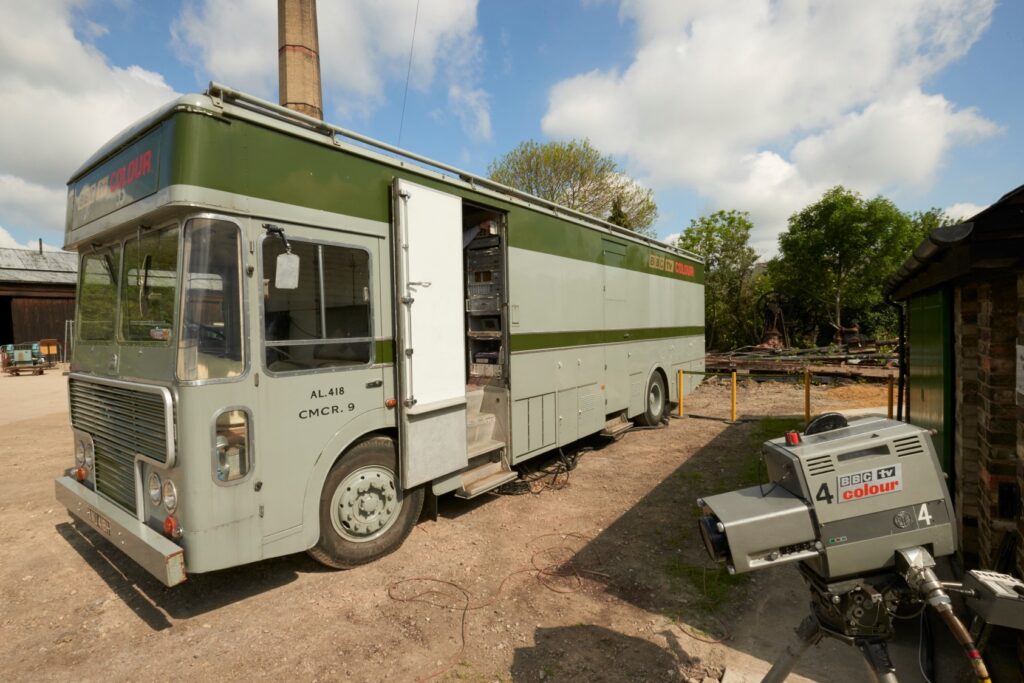
December 2025: Talk by Dick McMullan and Mike Wassall - The Story of Pye ( 1896 - 2025 )

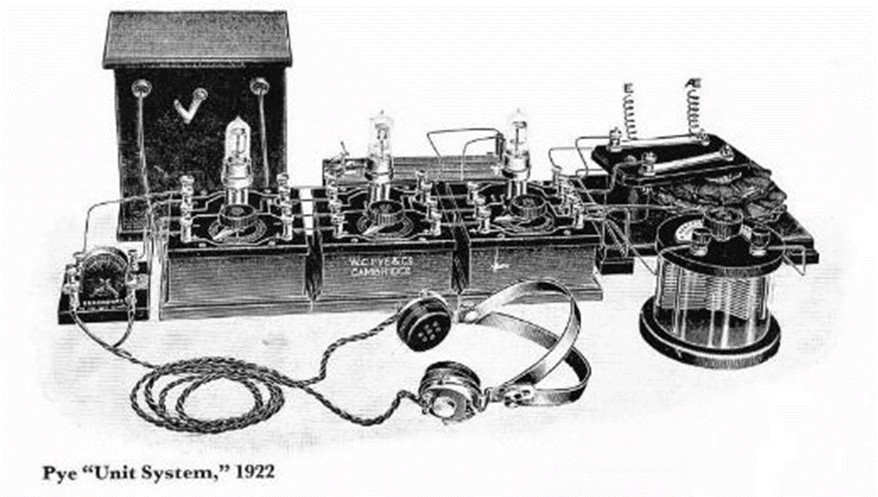

The presentation ranged from the advent of the Pye company, founded in 1896 by William George Pye, to its eventual acquisition during the years 1967 to 1977 by the Dutch company Philips. The subsequent disbursement of the various parts to other companies was highlighted, together with the eventual closure of the factories around the Cambridge area in favour mainly of housing.
A major figure for more than 35 years in the management of the company, Charles Orr Stanley, was described from his roots in Ireland through to his public honours in service to broadcasting and electronics business in the UK.
The vast range of broadcast, domestic products and scientific instruments demonstrated the breadth of the company’s technical and market dominance through the years up to the early 1980s. The downfall however was relatively rapid, partly because of foreign competition but latterly partly due to inadequate management foresight.
The company that started in a back garden shed in Humberstone Road by WG Pye lives on as the initial start-up that was to become known as the Cambridge Phenomenon. It continues to live on in the Pye Association, Pye Foundation and Pye History Trust together with a significant permanent exhibition in the Pye Building of the Cambridge Museum of Technology.
For more information visit the websites: www.pye-story.org and www.pyemuseum.org
November 2025: Talk by Dr Elizabeth Duignan - Robert Owen & the Lanark Cotton Mills

We were treated to a critical insight into this influential industrial entrepreneur and social reformer. Born in Newtown, Wales to modest parents he was largely self-taught and by the 1790’s was well known in Manchester for his business skills and progressive moral views. In 1799 he formed a partnership to purchase the New Lanark mills from his father-in-law. With their remote location the mills became the subject of a Utopian socialistic experiment. Conditions in the factories were better than normal and workers enjoyed good housing and free education for their children who were not allowed to work in the mills. Food and essentials were available from the company truck shop at prices marginally above the wholesale rate which has been linked to the formation of the co-operative movement.
While the educational system was admired throughout Europe and Owen was a campaigner for improvement in working conditions, the regime was paternalistic and operated within strict moral guidelines. In short, providing workers accepted a controlled lifestyle, the community supported them but breaches of the code effectively led to destitution.
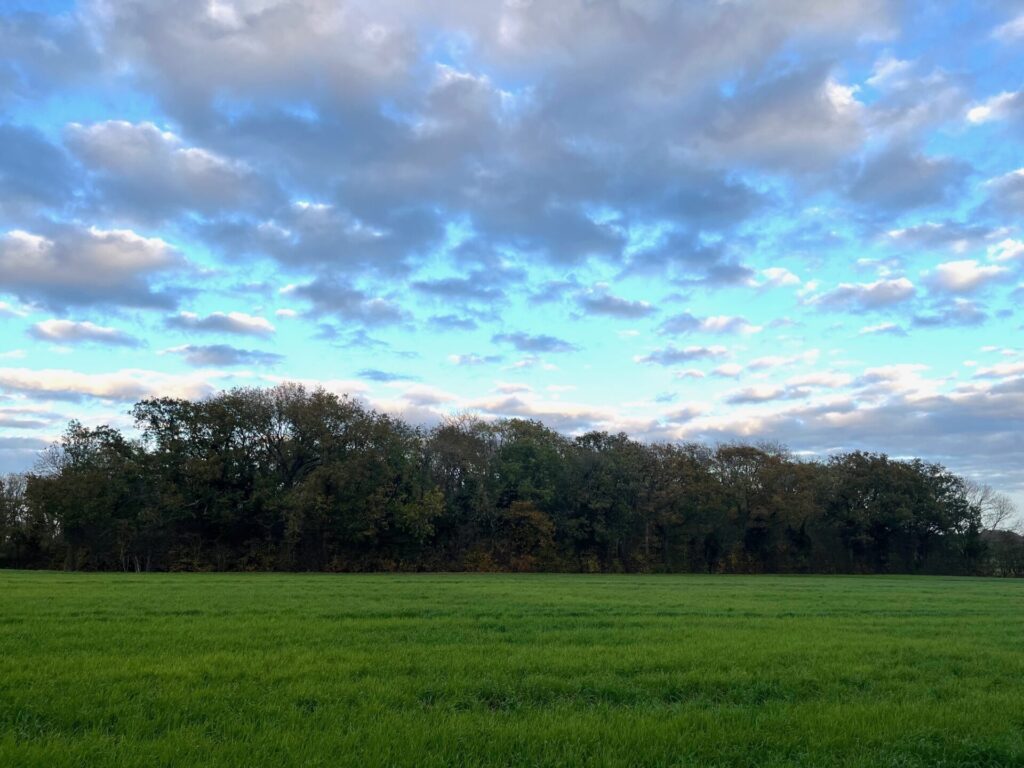
October 2025: Duncan Mackay, Warden - Wildlife Trust’s Lower Wood (Weston Colville)
Lower Wood is comprised of 9 hectares of ancient woodland where flora and fauna can survive. Duncan explained which species particularly thrive and some of the challenges they have overcome. The greatest problem in recent years has been Ash dieback disease which is present and will change the canopy. There are early indications that seeds from resistant trees may produce resistant seedlings. Combined with the careful introduction of other species there is every reason to be hopeful. The woods are open to all.

With thanks to David Warner for these two images
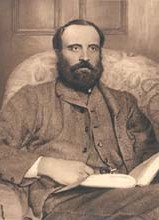
October 2025: Talk by Michael Murphy - Charles Stewart Parnell 1846 - 1891
What a start to our 2025-26 academic year. We were treated to a starter course; a history of Ireland from the Irish perspective. A firm but gentle reminder of the English dominance, arrogance and intolerant control of the Irish people, followed by the main course; Charles Parnell. Parnell, a Protestant from a well-connected Anglo-Irish family led the 19th Century push for Home Rule which so nearly succeeded before his adulterous relationship with Kitty O’Shea was publicised.
We hope Michael will be available for another talk in the near future.
March 2025: Talk by Mary Dickon - Did King Alfred burn the cakes?
Another delightful talk from a regular contributor to our General History Group to round off the year. We were shown how the myth grew up around the actual events of Alfred's reign. What the sources of the period had to say on the story, or more importantly why they might choose to be silent on the subject of Kingly culinary ineptitude! Mary has promised to return to her more usual historical period next year to cover the centenary of the General Strike.

October 2024: Talk by Graham Wylde - MAGGIE'S LETTERS Louisa Margaret Gill 1863 - 1947
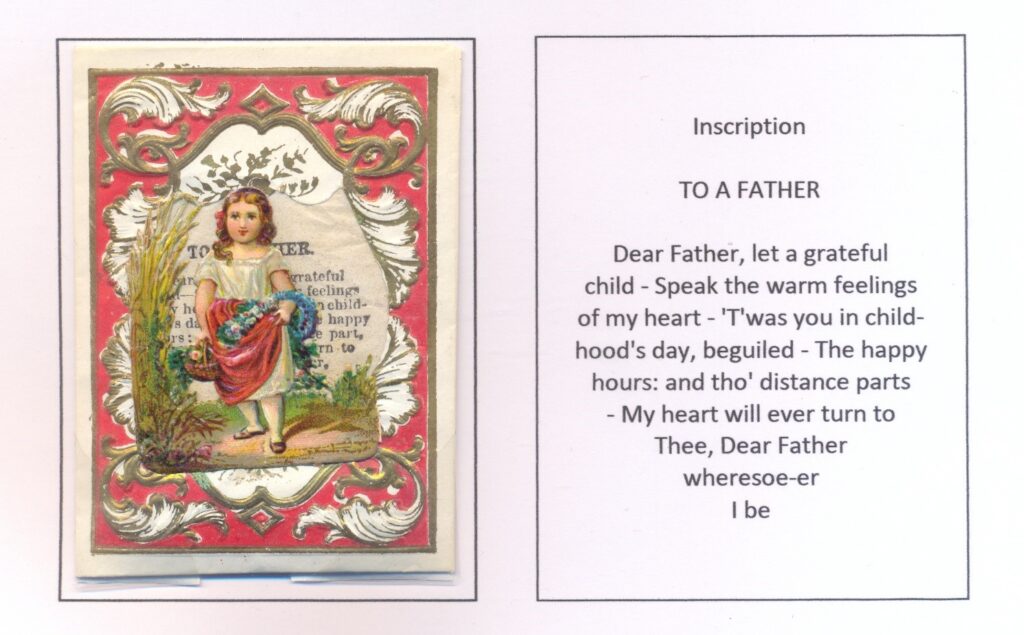
The first envelope contains a birthday card sent on Maggie’s behalf to her father and this is shown above. The card still contains a small sheaf of grass which was quite common in the 19th century.
A collection of envelopes bought at a local stamp fair were found to contain a series of letters. These letters were written by a young girl (Maggie) to her father in the period 1870 to 1878. The letters provide a wonderful insight into Victorian life as seen through the eyes of a young girl.
Some research into the family revealed that Maggie came into this world in very tragic circumstances. Maggie’s mother, who was only 21, died following the birth. Thus Maggie was brought up by her father, her mother’s parents and her mother’s sister. In these circumstances it is quite understandable that Maggie had a very strong bond with her father and that comes out very clearly in the letters.
The letters were sent to her father while Maggie was away from home on holiday and while her father was recuperating from illness. They talk about instances in everyday life while on holiday and at school.
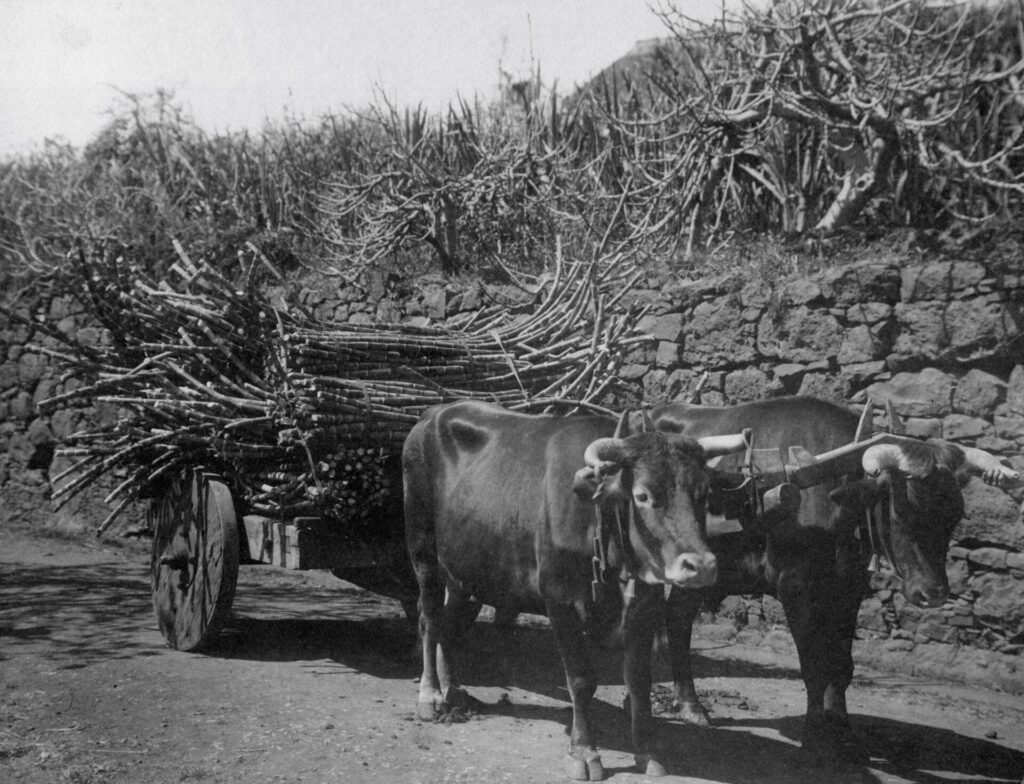
December 2024: The Birth of Global Capitalism? Sugar Production on Madeira 1450 - 1520 by Nick Flux
We saw how this uninhabited island, only discovered by the Portuguese in 1419, became the world's leading producer of sugar within 60 years. Success was reliant on foreign capital, mainly Genoese, slavery and the ruthless exploitation of the environment. Forty years later it was all over. Extreme deforestation meant it was no longer profitable to process the cane and the capital moved elsewhere. The very same model was to be reproduced in São Tomé, then Brazil and finally the Caribbean.